How to Choose a Profitable Blog Niche: A Beginner’s Guide to Finding the Right Topic
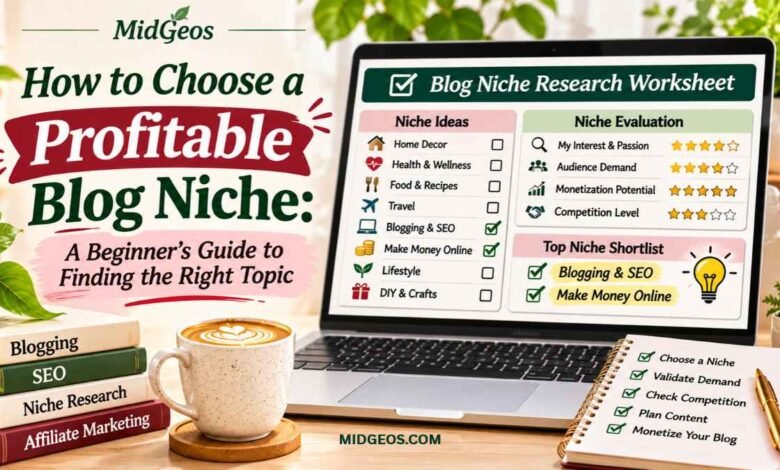
Starting a blog can open the door to new opportunities. You can share your knowledge, connect with people around the world, build an online business, and potentially earn money from your website.
But before you purchase a domain name, set up WordPress, or publish your first article, there’s one important decision you need to make:
What should you blog about?
Choosing the right blog niche is one of the first steps toward building a website with a clear purpose. Your niche influences the topics you write about, the readers you attract, the keywords you target, and the opportunities you may have to monetize your content.
When I started my own blogging journey, I didn’t know everything about blogging. I had to learn new skills, experiment with content, understand SEO, and discover different ways to bring visitors to my website. Like many beginners, I learned that starting a blog involves much more than simply choosing a topic and writing articles.
One lesson I’ve learned is that you shouldn’t choose a niche just because someone says it’s profitable. You need to consider your interests, knowledge, audience demand, content opportunities, and long-term goals.
In this guide, I’ll walk you through how to choose a profitable blog niche, research your audience, evaluate competition, and find a topic you can build a website around.
Whether you’re starting your first WordPress blog or planning a new website, these steps will help you make a more confident decision.
What Is a Blog Niche?
A blog niche is the main subject or specific area your website focuses on. It determines what kind of information you publish and which audience you want to reach.
For example, instead of writing about everything related to lifestyle, you could create a blog focused on budget-friendly home decor, small-space organization, or seasonal decorating ideas.
Here are a few examples:
- Blogging: WordPress tutorials, SEO, blog traffic, and content creation.
- Pinterest Marketing: Pinterest SEO, pin design, and traffic strategies.
- Home Decor: Room decorating ideas, DIY projects, and seasonal decorations.
- Personal Finance: Budgeting, saving money, and frugal living.
- Food: Easy recipes, meal planning, and baking.
- Travel: Travel guides, budget trips, and destination inspiration.
- Parenting: Family activities, parenting resources, and organization.
- Beauty: Skincare routines, beauty tips, and product comparisons.
A focused niche helps visitors understand what your website is about. It also gives you a direction for creating related articles and organizing your content.
Why Choosing the Right Blog Niche Matters
Your niche is more than just a category on your website. It influences your content strategy and the type of online business you can build.
Here are some important reasons to choose your niche carefully.
1. It Helps You Attract the Right Readers
Imagine someone visits your website because they’re looking for Pinterest marketing tips. If your website consistently publishes helpful Pinterest and blogging articles, that visitor has a reason to explore more pages.
A clear niche helps you attract people who are genuinely interested in your content.
2. It Makes Content Planning Easier
When you know your main topic, you can create a list of related blog post ideas.
For example, a website about blogging for beginners could publish articles about:
- How to Start a WordPress Blog
- How to Choose a Blog Niche
- How to Write Your First Blog Post
- SEO Tips for New Bloggers
- How to Get Traffic From Pinterest
- Affiliate Marketing for Beginners
Instead of searching for unrelated topics every day, you can build a content plan around your main subject.
3. It Helps You Build Trust
Readers are more likely to return when they consistently find useful information on subjects they care about.
You can build trust by sharing practical tutorials, explaining your process, answering common questions, and providing honest recommendations.
You don’t need to pretend to know everything. Share what you know, research what you don’t, and be transparent about your experience.
4. It Supports Your SEO Strategy
A focused niche makes it easier to identify related keywords and create groups of articles around important subjects.
For example, a blogging website could organize content into these categories:
- Starting a Blog
- WordPress
- SEO and Keyword Research
- Pinterest Marketing
- Affiliate Marketing
- Blogging Tools
This creates a more organized website and helps readers discover related information.
Remember, choosing a niche doesn’t automatically improve Google rankings. Your content still needs to satisfy search intent, provide value, and demonstrate reliability.
5. It Creates Monetization Opportunities
A suitable niche may offer several ways to earn money from your website.
Depending on your audience and content, you could explore:
- Affiliate marketing
- Display advertising
- Sponsored content
- Digital products
- E-books and online courses
- Consulting or services
The important thing is to choose monetization methods that make sense for your readers.
6. It Helps You Stay Consistent
Blogging is a long-term process. You need to research topics, write articles, improve your website, and find ways to reach readers.
Choosing a subject you’re genuinely interested in can make this process easier.
How to Choose a Profitable Blog Niche in 8 Steps
You don’t need to guess which niche will work. You can make a more informed decision by following a simple research process.
Step 1: Start With Your Interests and Passions
The first step is to identify subjects you genuinely enjoy.
Think about the things you like learning, reading, discussing, or doing in your everyday life.
Ask yourself:
- What topics am I naturally interested in?
- What do I enjoy learning about?
- What subjects could I research regularly?
- What hobbies or activities do I have?
- What would I enjoy writing about for several years?
For example, if you enjoy decorating your home, you might consider a home decor blog. If you enjoy helping people understand websites, you might explore blogging tutorials or WordPress guides.
Write down at least 10 possible topics.
Don’t worry about profitability at this stage. First, identify subjects that interest you.
My tip: Don’t choose a niche only because it’s trending. Trends change, but a genuine interest in your subject can help you stay motivated.
Step 2: Identify Your Skills, Knowledge, and Experience
Your existing skills and experience can help you choose a topic where you have something useful to share.
You don’t have to be an expert before starting a blog. However, understanding a subject or having experience with it can give you a helpful starting point.
Consider:
- Your education
- Your professional experience
- Your hobbies
- Your personal projects
- Problems you’ve learned to solve
- Skills you’ve developed over time
For example:
| Your Experience or Interest | Possible Blog Niche |
| WordPress website creation | WordPress blogging |
| Pinterest marketing | Pinterest traffic for bloggers |
| Writing and content creation | Blogging and content strategy |
| Cooking | Easy recipes and meal planning |
| Decorating | Budget-friendly home decor |
| Personal budgeting | Saving money and frugal living |
| Photography | Photography tutorials |
When I started blogging, I also had to learn many things along the way. I didn’t begin with complete knowledge of SEO, Pinterest, or affiliate marketing. I gradually developed my skills through learning, testing, and working on my websites.
That experience taught me something important: you can build a blog around knowledge you already have or skills you’re willing to develop.
Step 3: Understand Your Target Audience
A blog shouldn’t only reflect what you want to write about. It should also provide information that people need.
Before selecting your niche, think about your ideal readers.
Ask these questions:
- Who do I want to help?
- What problems are they facing?
- What questions do they search for online?
- What information do they need?
- What solutions can my blog provide?
For example, if your niche is blogging for beginners, your audience might include people who want to start a website but don’t understand domain names, hosting, WordPress, or SEO.
You could create articles such as:
- How to Start a Blog for Beginners
- How to Choose a Domain Name
- How to Set Up WordPress
- How to Write Your First Blog Post
- How to Find Keywords for Your Blog
These articles answer specific questions and help readers move forward.
Remember: A clear understanding of your audience makes it easier to create content that solves real problems.
Step 4: Research Your Niche Using Keywords
Now it’s time to find out whether people are searching for information related to your potential niche.
Keyword research is an important part of blogging because it helps you understand what your audience wants to learn.
You don’t need expensive tools when you’re starting. Several tools can help you discover topic ideas.
1. Google Search
Start typing your topic into Google and look at the autocomplete suggestions.
For example, search for “blogging for beginners” and explore suggestions related to starting a blog, choosing a niche, and writing articles.
You can also review the People Also Ask section and related searches.
2. Google Trends
Google Trends helps you explore interest in a topic over time.
You can compare topics, discover seasonal patterns, and investigate whether interest appears to be increasing or decreasing.
3. Pinterest Search
Pinterest can be useful for discovering content ideas, particularly in visual niches such as home decor, food, crafts, and lifestyle.
Search for your main topic and review the suggested search terms and related ideas.
4. Google Keyword Planner
Google Keyword Planner provides keyword ideas and search volume estimates. It can help you investigate different search terms before creating your content plan.
5. AnswerThePublic
This tool helps you explore questions and related searches around a topic. Its available features and free-plan limits may change.
Example: Keyword Research for a Home Decor Blog
If you’re considering a home decor niche, you could research these topics:
- Small Bedroom Decorating Ideas
- Budget Living Room Decor
- Modern Farmhouse Kitchen Ideas
- DIY Home Decor Projects
- Cozy Fall Home Decor
- Christmas Living Room Decorating Ideas
These searches can help you discover specific article opportunities.
Don’t focus only on search volume. Also consider keyword difficulty, search intent, relevance, and whether you can create a better and more useful resource.
Step 5: Analyze Your Competitors
Before choosing your niche, spend some time exploring websites already publishing content in that area.
Competition isn’t necessarily a bad thing. Established websites can show that people are interested in a topic.
Your goal is to understand the market and identify opportunities to offer something valuable.
Search Google for five to ten keywords related to your niche.
Then examine the websites appearing in the results.
Look for:
- The types of articles they publish
- Their main content categories
- The questions they answer
- Their article structure
- Their use of images and examples
- The products or services they recommend
- Information that could be explained more clearly
For example, if many websites publish general blogging advice, you might focus on practical Pinterest marketing tutorials for beginner bloggers.
You could provide step-by-step instructions, original examples, screenshots, and lessons from your own experience.
Don’t copy existing articles. Use competitor research to understand what readers need and how you can provide something different.
Step 6: Explore Monetization Opportunities
If your goal is to earn money from blogging, consider monetization opportunities before finalizing your niche.
Not every niche has the same income opportunities. Research what products, services, and resources your target audience may need.
Here are some common ways to monetize a blog.
Affiliate Marketing
Affiliate marketing allows you to recommend products or services and earn a commission when someone makes a qualifying purchase through your affiliate link.
For example, a blogging website might recommend:
- Website hosting services
- WordPress themes
- SEO tools
- Pinterest scheduling tools
- Website plugins
- Content creation software
A home decor website might feature furniture, lighting, decorative accessories, and other relevant products.
Only recommend products that are relevant to your audience. Share honest information, explain limitations, and disclose affiliate relationships clearly.
Display Advertising
Some bloggers earn revenue by displaying advertisements on their websites.
Your eligibility and potential earnings depend on factors such as traffic, audience location, content quality, and the requirements of the advertising network.
Digital Products
You can create your own digital products based on your audience’s needs.
Examples include:
- Blogging planners
- Pinterest templates
- Budget worksheets
- Printable checklists
- E-books
- Content calendars
- Online courses
Sponsored Content
Brands may pay you to publish content featuring their products or services.
This generally depends on your audience, website quality, niche relevance, and the value you can offer a brand.
My advice: Don’t choose a niche simply because it has high-paying affiliate programs. Choose a subject where you can build trust and recommend useful solutions.
Step 7: Make Sure You Have Enough Content Ideas
A niche may sound interesting initially, but can you create content about it consistently?
Before making your final decision, try brainstorming at least 30 to 50 blog post ideas.
For example, if you choose Pinterest marketing, your content ideas might include:
- How to Create a Pinterest Business Account
- Pinterest SEO for Beginners
- How to Design Pinterest Pins
- Pinterest Keyword Research
- How to Create Pinterest Boards
- How to Write Pinterest Pin Descriptions
- Pinterest Analytics Explained
- Common Pinterest Marketing Mistakes
- How to Schedule Pinterest Pins
- How to Get Blog Traffic From Pinterest
If you can identify many useful topics, that’s a positive sign.
You should also think about whether those ideas can be developed into different content formats, including tutorials, checklists, comparison articles, case studies, and beginner guides.
The goal isn’t to publish hundreds of articles immediately. It’s to build a realistic content plan around your chosen subject.
Step 8: Narrow Down Your Blog Niche
Once you’ve researched your interests, skills, audience, keywords, competition, and monetization opportunities, it’s time to narrow down your options.
A common mistake beginners make is choosing a niche that’s too broad.
For example:
| Broad Topic | More Focused Niche | Specific Niche |
| Lifestyle | Home organization | Budget organization for small homes |
| Food | Healthy cooking | Easy healthy meals for busy families |
| Travel | Budget travel | Affordable weekend trips |
| Marketing | Digital marketing | Pinterest marketing for bloggers |
| Blogging | WordPress blogging | WordPress tutorials for beginners |
A focused niche helps your website develop a clear identity.
However, don’t make your niche so narrow that you run out of content ideas or struggle to reach an audience.
Find a balance between being specific and having enough room to grow.
10 Blog Niche Ideas Worth Researching
If you’re still unsure what to blog about, here are ten popular categories you can explore.
These are starting points for research, not guaranteed profitable opportunities.
1. Blogging and WordPress
This niche is suitable for people interested in websites, content creation, and online publishing.
Possible topics include:
- How to Start a WordPress Blog
- Best WordPress Plugins
- Blogging Tips for Beginners
- How to Choose a Domain Name
- Website Maintenance Tips
2. Pinterest Marketing
Pinterest marketing can be a useful niche for people interested in visual search, content promotion, and website traffic.
Possible topics include:
- Pinterest SEO Tips
- Pinterest Pin Design
- Pinterest Keyword Research
- Pinterest Marketing for Bloggers
- Pinterest Analytics
3. Affiliate Marketing
This niche focuses on helping people understand affiliate marketing and build relevant online content.
Possible topics include:
- Affiliate Marketing for Beginners
- How Affiliate Links Work
- Affiliate Product Research
- How to Write Product Reviews
- Affiliate Marketing Content Ideas
4. Home Decor
Home decor is a broad visual niche with many possible subtopics.
Possible topics include:
- Small Living Room Ideas
- Seasonal Home Decor
- DIY Decorating Projects
- Budget Bedroom Makeovers
- Holiday Decorating Inspiration
5. Personal Finance
This niche covers money management and everyday financial organization.
Possible topics include:
- Monthly Budget Planning
- Saving Money at Home
- Frugal Living Tips
- Budgeting Worksheets
- Financial Goal Setting
Be careful to provide accurate, well-researched information and avoid presenting general content as personalized financial advice.
6. Food and Recipes
Food blogs can focus on recipes, cooking techniques, meal preparation, or specific dietary preferences.
Possible topics include:
- Easy Dinner Recipes
- Budget-Friendly Meals
- Family Meal Planning
- Baking for Beginners
- Quick Breakfast Ideas
7. Travel
Travel websites can help readers plan trips and discover destinations.
Possible topics include:
- Budget Travel Tips
- Weekend Getaway Ideas
- Travel Packing Checklists
- Destination Guides
- Family Travel Planning
8. Parenting and Family
This niche can focus on practical resources for parents and families.
Possible topics include:
- Family Activities
- Kids’ Party Ideas
- Parenting Resources
- Family Organization
- Educational Activities for Children
9. Beauty and Skincare
Beauty websites can provide product comparisons, tutorials, and general skincare information.
Possible topics include:
- Beginner Skincare Routines
- Beauty Product Reviews
- Makeup Tutorials
- Hair Care Tips
- Beauty Organization Ideas
Avoid making unsupported medical claims, especially about skincare conditions or treatments.
10. Productivity and Lifestyle
This niche can help readers improve their routines and organize everyday life.
Possible topics include:
- Daily Productivity Tips
- Time Management
- Goal-Setting Worksheets
- Self-Care Ideas
- Home Organization
Blog Niche Research Checklist
Before choosing your final niche, use this checklist to evaluate your idea.
| Question | Your Answer |
| Am I interested in this topic? | Yes / No |
| Do I have relevant skills or experience? | Yes / No |
| Can I identify my target audience? | Yes / No |
| Are people searching for related topics? | Yes / No |
| Have I researched competing websites? | Yes / No |
| Can I create at least 30 useful articles? | Yes / No |
| Are there realistic monetization opportunities? | Yes / No |
| Can I publish content consistently? | Yes / No |
| Can I offer original value to readers? | Yes / No |
You don’t need to have every answer figured out immediately. Use this checklist to identify what you need to research further.
How to Compare Different Blog Niche Ideas
If you have several potential niches, create a simple scoring system.
Give each niche a score from 1 to 5 for these factors:
- Personal interest
- Knowledge and experience
- Audience demand
- Content opportunities
- Monetization potential
- Ability to stand out
Here’s an illustrative comparison:
| Evaluation Factor | Home Decor | Blogging |
| Personal interest | 5 | 4 |
| Knowledge and experience | 4 | 5 |
| Audience demand | 4 | 4 |
| Content opportunities | 5 | 5 |
| Monetization potential | 4 | 4 |
| Ability to stand out | 4 | 4 |
| Total | 26/30 | 26/30 |
These scores are examples only. You should score your own niche ideas based on your research and experience.
The purpose of this exercise is to compare your options rather than choose a niche based on assumptions.
Common Mistakes to Avoid When Choosing a Blog Niche
Even after researching different ideas, beginners can make mistakes that create problems later.
Here are six mistakes to avoid.
1. Choosing a Niche Only Because It Looks Profitable
A niche may have many affiliate programs or popular products, but that doesn’t automatically mean it’s right for you.
You need to understand the audience and be able to create useful content.
2. Choosing a Topic That’s Too Broad
A website that covers too many unrelated subjects can become difficult to organize.
Start with a clear topic and expand into related categories as your website develops.
3. Ignoring Keyword Research
Writing articles without understanding what readers search for can make it harder to attract relevant organic traffic.
Research keywords and search intent before planning your content.
4. Copying Other Bloggers
Learning from successful websites is helpful, but copying their articles or content ideas without adding original value won’t help you build a trustworthy brand.
Use your own experience, research, examples, and perspective.
5. Expecting Quick Income
Blogging is not a guaranteed way to earn money quickly.
It takes time to develop content, attract visitors, build trust, and find suitable monetization opportunities.
6. Giving Up Too Early
Your first articles may not receive much traffic. You may need to improve your headlines, research better keywords, update old content, or experiment with different traffic strategies.
Keep learning and use your website’s performance data to make informed decisions.
Frequently Asked Questions About Choosing a Blog Niche
What Is the Best Blog Niche for Beginners?
There isn’t one best niche for everyone. Home decor, food, travel, personal finance, blogging, productivity, and digital marketing are possible starting points.
The right choice depends on your interests, knowledge, target audience, content opportunities, and monetization goals.
Can I Start a Blog Without Experience?
Yes. You can start a blog as a beginner and develop your skills along the way.
Start by researching your topics, creating helpful content, and learning how to manage your website. Be honest about your experience and avoid presenting yourself as an expert when you’re still learning.
How Many Topics Should My Blog Cover?
For a new blog, it’s usually better to begin with one main niche and a few closely related categories.
For example, a blogging website could cover WordPress, SEO, Pinterest marketing, and affiliate marketing.
How Do I Know If My Blog Niche Is Profitable?
Research audience demand, relevant keywords, competition, products and services, advertising possibilities, and affiliate opportunities.
You should also consider whether you can create valuable content that attracts and helps the right audience.
No research tool or checklist can guarantee income, but these steps can help you make a better decision.
Can I Change My Blog Niche Later?
Yes. You can refine or change your niche as your interests and goals develop.
However, changing a website’s direction may affect its existing audience, content structure, and search traffic. That’s why it’s worth researching your niche before publishing a large collection of articles.
Should I Choose a Passion or a Profitable Niche?
Ideally, choose a topic that combines both.
Your niche should interest you, solve problems for a specific audience, offer content opportunities, and have realistic monetization potential.
Do I Need to Be an Expert Before Starting a Blog?
No. You can start by sharing what you know and developing your knowledge over time.
However, make sure your articles are accurate, useful, and transparent about your experience. For sensitive topics such as health and finance, use reliable sources and appropriate expertise.
Final Thoughts: Choose a Blog Niche You Can Grow With
Choosing the right blog niche is an important decision, but it doesn’t need to feel overwhelming.
Start by identifying your interests and skills. Then research your target audience, explore keywords, study competing websites, and evaluate monetization opportunities.
Most importantly, think about the value you can provide to your readers.
My own blogging journey taught me that building a website takes patience, learning, experimentation, and consistency. You don’t need to understand everything before you begin. You need a clear direction and the willingness to improve as you go.
Don’t choose a niche just because it’s popular. Choose a topic you can learn about, create helpful content around, and build trust with your audience.
Ready to start your blogging journey?
Explore more beginner-friendly guides at MidGeos.com to learn about WordPress, SEO, Pinterest marketing, affiliate marketing, and growing your blog.
Your first step doesn’t have to be perfect. It just needs to move you forward.