17 Traditional Irish Dessert Ideas That Bring Authentic Irish Flavors to Your Table (2026 Edition)
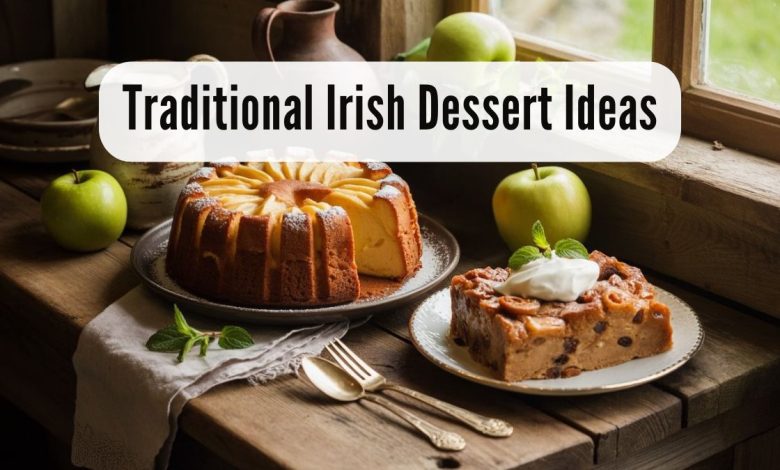
There’s something irresistibly comforting about Traditional Irish Dessert Ideas—the kind that instantly conjure images of cozy kitchens, warm ovens, and recipes passed down through generations.
Rooted in Irish cuisine, these sweets are less about excess and more about simple, heartfelt flavor. From Irish Apple Cake Traditional recipes to rich Irish bread pudding, traditional desserts from Ireland celebrate everyday ingredients transformed into timeless treats.
In this post, we’ll explore authentic and approachable ideas inspired by Irish desserts traditional Ireland is known for—perfect whether you’re planning a St. Patrick’s Day spread or just craving something nostalgic.
Below, you’ll find 17 authentic Irish dessert ideas, each with history, serving tips, and modern adaptations so you can bring the heart of Irish cuisine into your own kitchen.
1. Irish Apple Cake (Traditional Favorite)
Irish Apple Cake Traditional recipes are the backbone of many Irish households. This dessert dates back generations and is especially popular in rural kitchens where apples were abundant.
Unlike American apple cake, Irish apple cake is more biscuit-like than fluffy. It often includes warm spices such as cinnamon or nutmeg and is traditionally baked in a round tin.
Why It’s Loved
- Not overly sweet
- Perfect with tea or coffee
- Tastes even better the next day
How to Serve It
- Warm with lightly whipped cream
- Dust with powdered sugar
- Pair with custard for a classic Irish finish
Practical tip: Use tart apples like Bramley or Granny Smith for the most authentic flavor.
2. Irish Bread Pudding (Comfort in Every Bite)
Irish Bread Pudding is a brilliant example of frugal Irish cooking. Stale bread was never wasted—especially during hard times—and this dessert turns leftovers into something rich and satisfying.
Typically flavored with raisins, nutmeg, and cinnamon, Irish bread pudding is denser and less sweet than its American cousin.
What Makes It Traditional
- Uses day-old bread
- Lightly spiced
- Often served warm
Make It Your Own
- Add a splash of Irish cream desserts flavoring
- Use brioche or soda bread
- Serve with warm vanilla custard
This dessert is a reminder that traditional Irish recipes are about resourcefulness as much as flavor.
3. Baileys-Inspired Irish Cream Desserts
While modern compared to other classics, Irish cream desserts have become a staple in Irish homes and celebrations.
These desserts often include:
- Cream liqueur cheesecakes
- Chocolate mousse with Irish cream
- No-bake trifles
When to Serve
- Dinner parties
- Holidays
- St. Patrick’s Day gatherings
Serving idea: Layer Irish cream mousse with crushed biscuits and chocolate shavings for an easy crowd-pleaser.
4. Irish Tea Cake (Perfect with a Cuppa)
Irish Tea Cake isn’t a single, fixed recipe—it’s a whole style of baking rooted in everyday Irish life. These cakes were designed to be enjoyed during tea time, not as show-stopping desserts but as comforting companions to a hot cup of tea. In Irish homes, tea cake often appears when guests drop by unexpectedly or when families gather around the kitchen table in the afternoon.
Unlike heavily frosted or sugar-laden cakes, Irish tea cakes are intentionally modest. They focus on balance—just enough sweetness to feel indulgent without overpowering the tea itself.
Common Ingredients You’ll Find
Most Irish tea cakes share a familiar ingredient list, which is part of their enduring appeal:
- Raisins or currants for gentle bursts of sweetness
- Lemon zest to brighten the flavor
- Simple sponge textures made with flour, butter, eggs, and milk
Some versions lean closer to a loaf cake, while others resemble a light sponge baked in a round tin.
Why Irish Tea Cake Is Timeless
Irish tea cake has remained popular for generations because it fits effortlessly into daily life.
- Easy to make: No special equipment or advanced techniques required
- Uses basic pantry ingredients: Perfect for last-minute baking
- Loved across generations: Familiar, comforting, and universally appealing
It’s the kind of cake grandparents recognize, parents rely on, and children grow up loving—quietly passing it from one generation to the next.
Baker’s tip: If you’re baking for guests and aren’t sure about preferences, tea cake is a safe and elegant choice. It feels thoughtful without being heavy or overwhelming, making it ideal for brunches, baby showers, or casual get-togethers.
5. Barmbrack (Traditional Irish Fruit Bread)
Barmbrack is far more than just a fruit-filled loaf—it’s a deeply symbolic part of Irish food culture. Traditionally associated with Halloween, this lightly sweetened bread once carried charms baked inside to predict the future. Today, while the charms may be gone, the tradition and flavor remain strong.
Barmbrack sits comfortably between Irish snacks and desserts, making it incredibly versatile. It’s sweet enough to satisfy a craving but hearty enough to feel substantial.
What Makes Barmbrack Unique
- Yeast-raised or quick-bread versions
- Generous amounts of dried fruit
- Subtle sweetness rather than sugary richness
The dried fruit is usually soaked in tea before baking, which adds depth and keeps the bread moist.
How It’s Traditionally Eaten
In true Irish fashion, barmbrack is simple and comforting:
- Thickly sliced
- Lightly toasted
- Spread generously with butter
It’s commonly served with tea and often enjoyed as a quiet afternoon treat.
A Modern Twist Worth Trying
Leftover barmbrack makes an incredible upgrade to classic French toast. The soaked fruit and spiced bread absorb custard beautifully, turning a traditional loaf into a decadent breakfast-dessert hybrid—perfect for slow weekends or holiday mornings.
6. Carrageen Moss Pudding (Ancient Irish Dessert)
Carrageen moss pudding is one of the most fascinating entries among traditional Irish dessert recipes. Made from a type of red seaweed harvested along Ireland’s rugged coastline, this dessert dates back centuries and reflects how Irish communities relied on the land—and sea—for nourishment.
Despite its unusual ingredient, the final result is surprisingly elegant.
What It Tastes Like
Carrageen moss pudding is:
- Lightly creamy
- Delicately textured
- Mild in flavor
It’s closer to a panna cotta than a heavy pudding, allowing subtle flavors to shine.
Why This Dessert Matters
Carrageen moss pudding tells a story of survival, ingenuity, and tradition.
- Reflects coastal Irish cuisine: Especially common in western regions
- Naturally thickened: No gelatin or starch needed
- Historically medicinal: Believed to support immunity and digestion
This dessert highlights how authentic Irish desserts were shaped by necessity, using what was readily available in nature.
Traditional Flavor Pairings
Because the base is mild, flavorings are kept simple and natural:
- Vanilla for warmth
- Cinnamon for gentle spice
- Honey for sweetness
Served chilled, this pudding feels surprisingly modern despite its ancient roots.
7. Irish Oat Flapjacks
Oats are foundational in Irish cuisine, and Irish oat flapjacks are a perfect example of how simple ingredients can create something deeply satisfying. These treats are a staple in Irish homes, lunchboxes, and bakeries.
Unlike American granola bars—which are often dry or crumbly—Irish flapjacks are rich, buttery, and soft.
What Sets Irish Flapjacks Apart
- Soft and chewy texture
- Made with butter and golden syrup
- Comfortingly filling without being heavy
They’re baked rather than pressed, giving them a homemade feel that’s hard to replicate with store-bought versions.
Best Occasions to Serve Them
Irish oat flapjacks are incredibly versatile:
- Afternoon tea treats
- School lunches or work snacks
- Road trips and picnics
They travel well and stay fresh for days, making them ideal for busy households.
Tip: Add dried fruit, seeds, or a handful of chocolate chips for variety. These small additions modernize the recipe without losing its traditional Irish character.
8. Guinness Chocolate Cake (Modern Classic)
While not centuries old, Guinness chocolate cake has firmly earned its place among beloved Irish dessert recipes. This cake reflects Ireland’s ability to blend tradition with modern creativity—using a famous stout to elevate a classic chocolate cake.
Despite what some may expect, the cake doesn’t taste like beer. Instead, Guinness deepens the cocoa flavor, creating a rich, balanced dessert.
Why Guinness Chocolate Cake Works So Well
- Moist texture: The stout adds richness and tenderness
- Deep cocoa flavor: Chocolate tastes more intense, not bitter
- Ideal for celebrations: Birthdays, holidays, and gatherings
It’s a dessert that feels indulgent without being overly sweet, making it popular with both chocolate lovers and skeptics alike.
Serving Suggestion
Top the cake with a smooth cream cheese frosting to resemble the foam on a freshly poured pint of Guinness. This visual nod makes it especially popular for St. Patrick’s Day while keeping the flavor sophisticated and crowd-friendly.
9. Irish Shortbread (Simple and Buttery)
Irish shortbread is one of those desserts that never shouts for attention—but once you try it, you understand why it has quietly endured for generations. Among authentic Irish desserts, shortbread represents everything Irish baking stands for: simplicity, restraint, and respect for ingredients.
At its core, traditional Irish shortbread uses just three ingredients:
- Butter
- Sugar
- Flour
That’s it. No eggs. No leavening. No embellishment.
Why Less Is Truly More
Because there’s nowhere to hide, the quality of each ingredient matters deeply. Irish shortbread isn’t about sweetness—it’s about texture and richness. The crumb should be tender but sturdy, melting slowly rather than crumbling into dust.
What makes this dessert so beloved:
- It highlights quality ingredients, especially butter
- It stores beautifully, improving slightly after a day
- It’s perfect with tea, coffee, or even a small glass of Irish whiskey
Practical Baking Tips
- Use high-quality butter, ideally European-style with higher fat content
- Chill the dough before baking to maintain clean edges
- Cut into wedges or fingers before baking for traditional presentation
Shortbread is ideal when you want a dessert that feels thoughtful without being showy—perfect for everyday indulgence or gifting.
10. Apple and Blackberry Crumble
Fruit crumbles are deeply embedded in Irish desserts traditional Ireland embraces, particularly in countryside homes where baking followed the seasons. Apple and blackberry crumble is a shining example of how Irish cooks let nature lead the recipe.
This dessert layers:
- Soft, tart fruit beneath
- A golden oat-based topping above
The result is rustic, forgiving, and endlessly comforting.
Why This Dessert Endures
Apple and blackberry crumble reflects rural Irish life—hedgerow blackberries, orchard apples, and a topping made from pantry staples. No pastry skills required, no precise measurements needed.
Best Served
- Warm, straight from the oven
- With custard for a traditional finish
- Or fresh cream for something lighter
Seasonal Advice
Don’t feel locked into blackberries. One of the strengths of this dessert is its flexibility:
- Swap in raspberries or gooseberries
- Use rhubarb in early spring
- Mix fruits when supplies are limited
This crumble proves that traditional Irish dessert ideas are as practical as they are delicious.
11. Irish Custard Tart
Step into almost any Irish bakery, and you’ll find a custard tart quietly waiting behind the glass. It’s unassuming, nostalgic, and deeply loved.
What sets the Irish custard tart apart is its balance:
- Creamy but not overly rich
- Sweet but never cloying
- Simple yet elegant
What Makes It Special
- A silky custard filling
- Crisp shortcrust pastry
- A light dusting of nutmeg on top
The nutmeg isn’t decorative—it adds warmth and subtle depth, tying the whole tart together.
Home Baker Tip
Blind baking the pastry is essential. Without it, the custard can seep into the crust, leaving it soggy instead of crisp.
Extra tip: Let the tart cool fully before slicing—custard sets as it rests.
Custard tarts are ideal for entertaining because they feel refined without requiring complicated techniques.
12. Fifteens (No-Bake Irish Treat)
Fifteens are a beloved classic among Irish snacks, especially in Northern Ireland. Their name comes from the traditional measurement: fifteen of each main ingredient.
They’re made with:
- Digestive biscuits
- Marshmallows
- Condensed milk
- Desiccated coconut
Why People Love Them
- No oven required—perfect for beginners
- Kid-friendly to make and eat
- Budget-friendly, using inexpensive ingredients
The mixture is rolled into a log, coated in coconut, and sliced once chilled. The result is sweet, chewy, and unapologetically nostalgic.
When to Serve Them
- Bake sales
- Dessert trays
- School events
- Last-minute gatherings
Fifteens are proof that authentic Irish desserts don’t need sophistication to be successful—just heart and familiarity.
13. Irish Coffee Dessert Variations
Irish coffee may be famous as a drink, but its flavor profile has inspired some of the most elegant Irish dessert recipes around.
Instead of simply serving coffee and cream, modern Irish bakers turn those flavors into desserts like:
- Coffee-infused tiramisu
- Irish coffee cheesecake
- Coffee panna cotta with cream topping
Flavor Profile
These desserts shine because of their balance:
- Coffee bitterness keeps sweetness in check
- Creamy elements add softness
- Gentle warmth lingers rather than overwhelms
When They Work Best
- Dinner parties
- Holiday menus
- Celebratory occasions
These desserts feel indulgent but grown-up—perfect when you want something memorable without being heavy.
14. Soda Bread Dessert Loaf
Soda bread is most commonly associated with savory meals, but sweet versions have long existed within traditional Irish recipes.
When turned into a dessert loaf, soda bread becomes:
- Slightly sweet
- Dense but tender
- Perfect for slicing
Common Additions
- Raisins or currants
- Orange or lemon zest
- Honey for gentle sweetness
Serving Ideas
- Toast slices lightly
- Drizzle with honey
- Spread with butter or jam
This loaf works beautifully as a crossover between breakfast and dessert, making it incredibly versatile.
15. Rhubarb Fool
Rhubarb thrives in Ireland’s cool climate and features heavily in authentic Irish desserts. A rhubarb fool is one of the simplest—and most elegant—ways to use it.
A “fool” is simply:
- Stewed fruit
- Folded into whipped cream
That’s it.
Why It Works
- Sweet and tart flavors balance perfectly
- Minimal ingredients keep it approachable
- Looks elegant despite its simplicity
Shortcut Tip
Stew the rhubarb in advance and keep it chilled. When guests arrive, fold it into freshly whipped cream for an effortless dessert.
This is a perfect example of Irish cooking philosophy: let ingredients shine.
16. Irish Jam Roly-Poly
Irish jam roly-poly is old-fashioned comfort food at its best. This steamed pudding was once a staple in Irish homes, especially during colder months.
Characteristics
- Soft rolled dough
- Generous jam filling
- Served hot
The steaming method keeps the pudding moist and tender, while the jam creates a sweet, nostalgic center.
How It’s Traditionally Served
- Fresh from the pot
- With warm custard poured over
This dessert is unapologetically cozy—perfect for evenings when you want something soothing and familiar.
17. St. Patrick’s Day Dessert Traditions
When it comes to Irish foods St. Patrick’s Day celebrations, desserts play a joyful supporting role. While modern celebrations sometimes lean into novelty, traditional Irish flavors still shine.
Common Elements
- Green-tinted desserts (often subtle, not artificial)
- Classic Irish cakes and breads
- Cream-based sweets and puddings
Hosting Tip
Rather than reinventing desserts, focus on presentation:
- Add fresh herbs or edible flowers
- Serve traditional recipes on festive platters
- Pair desserts with Irish tea or coffee
Blending tradition with celebration allows you to honor Irish heritage without relying on gimmicks.
Related Article: 37 Easy & Delicious St. Patrick’s Day Food Ideas
Final Thoughts,
Exploring Traditional Irish Dessert Ideas is about more than baking—it’s about embracing the warmth, simplicity, and storytelling that define Irish foods St. Patrick’s Day celebrations and everyday life alike.
Whether you’re drawn to comforting Irish cream desserts, a humble Irish tea cake, or nostalgic Irish snacks, these recipes prove that authentic flavor doesn’t require fancy tools or a big budget.
By leaning into time-honored techniques from Irish desserts traditional Ireland, you can recreate the heart of Irish cuisine right at home. Start with one recipe, make it your own, and let it become part of your tradition.
If you’re inspired, bookmark your favorite Irish dessert recipes and share them with someone who loves a cozy, meaningful treat just as much as you do.