How to Create a Personal Brand from Scratch in 2026: The Complete Step-by-Step Guide to Building Authority, Traffic, and Income
How to Create a Personal Brand from Scratch in 2026 (Complete Step-by-Step Guide)
Five years ago, nobody knew who I was online.
I didn’t have a large audience, a marketing team, or a personal brand that opened doors. Like many people starting online, I was overwhelmed by conflicting advice, changing algorithms, and the pressure to stand out in an increasingly crowded digital world.
Today, personal branding has become one of the most valuable assets anyone can build. Whether you’re a blogger, entrepreneur, freelancer, creator, coach, or professional, your personal brand influences how people perceive you, trust you, and ultimately decide whether to work with you.
The good news is that you don’t need to be famous, wealthy, or highly connected to build a strong personal brand. You simply need a clear message, consistent action, and a willingness to share your expertise.
In this guide, you’ll learn exactly how to create a personal brand from scratch, build authority in your niche, grow an audience, and turn your knowledge into opportunities and income.
Why Personal Branding Matters More Than Ever
Personal branding is no longer optional.
People search for your name before hiring you, partnering with you, buying from you, or recommending you. Whether you’re aware of it or not, you already have a personal brand.
The question is whether you’re actively shaping it.
Here’s why personal branding is so important today:
AI Is Making Generic Content Easier to Create
Artificial intelligence can generate content in seconds. What it can’t replicate is your unique experience, perspective, and personality.
Trust Drives Online Business
People buy from people they trust. A strong personal brand creates familiarity and credibility.
Opportunities Follow Visibility
Many career opportunities, partnerships, speaking engagements, and collaborations happen because people discover your content.
Your Brand Works 24/7
Even when you’re not actively networking, your website, content, and social profiles continue introducing you to new audiences.
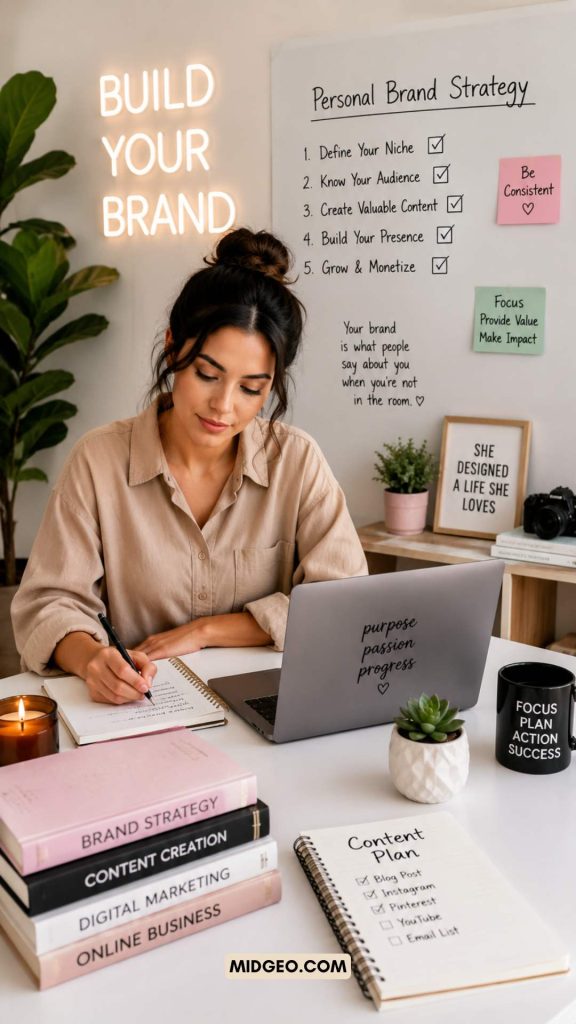
Step 1: Define Your Personal Brand Foundation
Before creating content or choosing social media platforms, you need clarity.
Many people skip this step and end up creating random content that attracts the wrong audience.
A strong personal brand starts with understanding who you are, who you help, and how you help them.
Ask yourself:
- What topics do I enjoy talking about?
- What skills do people ask me about?
- What problems can I solve?
- What experiences make me unique?
- What do I want to be known for?
Don’t overcomplicate this process.
Your brand doesn’t need to be revolutionary.
It simply needs to be authentic and valuable.
For example:
Instead of:
“I teach marketing.”
Try:
“I help bloggers grow website traffic using Pinterest and SEO.”
The second example is specific, memorable, and easier for people to understand.
Step 2: Find Your Unique Value Proposition (UVP)
Your Unique Value Proposition explains why someone should follow you instead of the thousands of other creators in your niche.
The strongest personal brands solve a specific problem for a specific audience.
Use this simple formula:
I help [Audience] achieve [Result] through [Method].
Examples:
- I help bloggers grow Pinterest traffic without paid ads.
- I help freelancers attract high-paying clients through LinkedIn.
- I help busy professionals improve productivity using simple systems.
A strong UVP should be:
- Clear
- Specific
- Easy to understand
- Results-focused
Avoid vague statements like:
“I help people succeed.”
Specificity creates authority.
Step 3: Choose a Profitable Niche
One of the biggest mistakes new creators make is trying to appeal to everyone.
Broad niches are crowded.
Specific niches build authority faster.
Consider these examples:
Too Broad
- Fitness
- Marketing
- Business
- Lifestyle
Better
- Strength training for women over 40
- Pinterest marketing for bloggers
- Productivity for remote workers
- Budget home decor for small apartments
The more specific you become, the easier it is for people to remember and recommend you.
Questions to help choose your niche:
- What am I knowledgeable about?
- What do I enjoy teaching?
- What problems can I solve?
- Is there audience demand?
The ideal niche sits at the intersection of:
- Skills
- Passion
- Market demand
Step 4: Build a Professional Online Presence
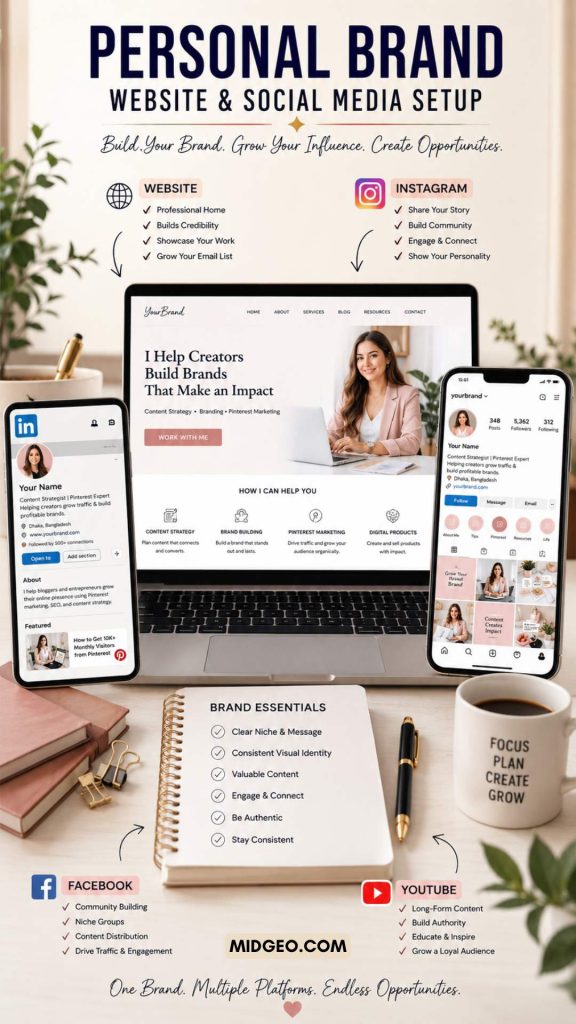
Your online presence acts as your digital headquarters.
While social media is important, your website remains the foundation of a strong personal brand.
Essential website pages include:
Home Page
Clearly explain:
- Who you help
- What you do
- Why visitors should stay
About Page
Tell your story.
Share:
- Your journey
- Your expertise
- Your mission
Blog
Publishing helpful content helps establish authority and generate search traffic.
Contact Page
Make it easy for people to connect with you.
Your website should communicate professionalism, clarity, and trust.
Step 5: Choose the Right Platforms
You don’t need to be everywhere.
In fact, trying to manage every platform often leads to burnout.
Focus on one or two platforms where your audience spends time.
Best for:
- Professionals
- Consultants
- Freelancers
- B2B creators
Best for:
- Bloggers
- Affiliate marketers
- Home decor creators
- Lifestyle brands
Read This to Know: How To Use Pinterest for Blogging in 2026 (Business Setup + Proven Growth Strategy)
Best for:
- Personal storytelling
- Visual brands
- Community building
Read This to Know: How I Grew My Instagram to 5,000+ Followers in 27 Days (After Failing Many Times)
YouTube
Best for:
- Education
- Tutorials
- Long-form authority
Best for:
- Community building
- Niche groups
- Content distribution
- Driving website traffic
- Audience engagement
Facebook remains one of the most underrated platforms for personal branding. While many creators focus only on newer platforms, Facebook still has billions of active users and thousands of highly engaged communities. It’s particularly effective for bloggers, affiliate marketers, coaches, and small business owners who want to build relationships and drive traffic back to their websites.
Read This to Know: My Facebook Growth Strategy for Bloggers in 2026: 1,400 Followers & Monetization in 55 Days
Master one platform first before expanding.
The biggest mistake new creators make is trying to grow on LinkedIn, Pinterest, Instagram, Facebook, YouTube, TikTok, and X at the same time. Instead, choose one primary platform where your audience is most active, build momentum there, and then expand strategically. Consistency on one platform will outperform inconsistency on six platforms every time.
Step 6: Create Content That Builds Authority
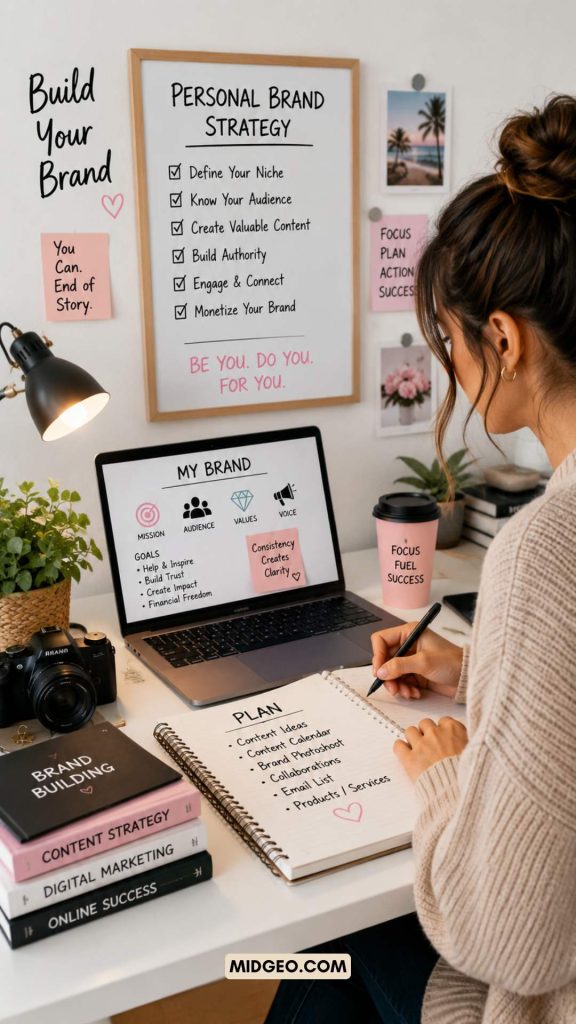
Content is how people discover you.
Every blog post, video, podcast episode, or social media update contributes to your personal brand.
The most effective content:
- Solves problems
- Answers questions
- Shares experiences
- Educates audiences
- Builds trust
Content ideas include:
- Tutorials
- Case studies
- Personal stories
- Industry insights
- Mistakes and lessons learned
- Step-by-step guides
Consistency matters more than perfection.
The creators who win are usually the ones who show up consistently.
Step 7: Create a Content Repurposing System
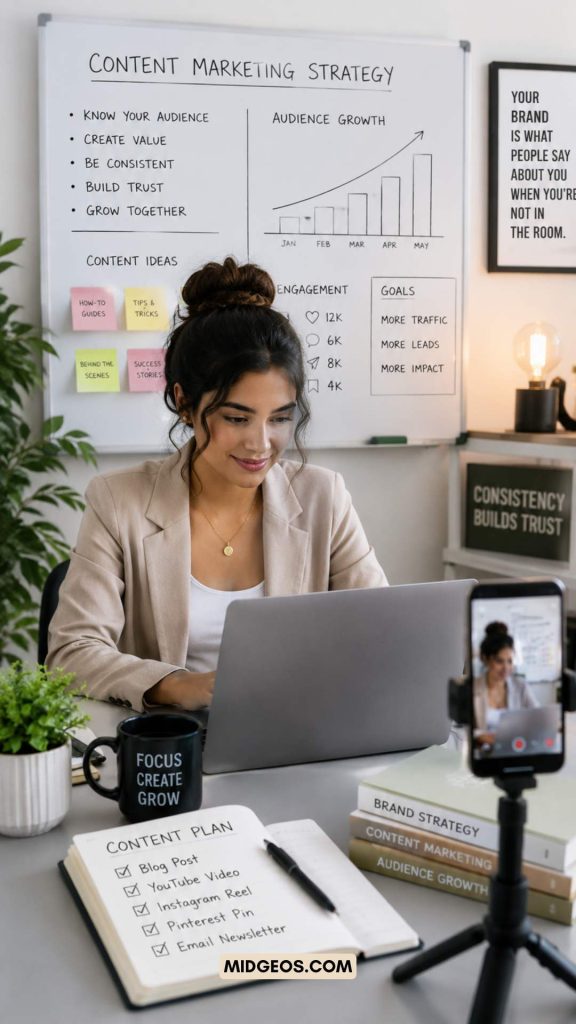
One of the biggest myths about personal branding is that you need to create new content every day.
You don’t.
The smartest creators focus on creating one valuable piece of content and repurposing it across multiple platforms.
This strategy saves time, increases visibility, and allows your message to reach different audiences.
For example:
A single blog post can become:
- A LinkedIn article
- Multiple social media posts
- An email newsletter
- Pinterest pins
- Instagram carousel slides
- Short-form video content
Think of yourself as a media company rather than a content creator.
Instead of constantly asking, “What should I post today?” ask:
“How can I get more value from the content I’ve already created?”
A simple repurposing workflow might look like this:
- Write one blog post
- Create five social posts
- Design three Pinterest graphics
- Record one short video
- Send one email newsletter
This approach helps maintain consistency without burnout.
The creators who grow fastest are often those who maximize the reach of every piece of content.
Step 8: Build Trust Through Storytelling
Facts educate.
Stories connect.
One of the most powerful ways to strengthen your personal brand is by sharing your experiences, challenges, and lessons learned.
People are naturally drawn to stories because they help us relate to one another.
Instead of only sharing strategies, share the journey behind them.
Examples:
- How you landed your first client
- The mistakes you made starting out
- Your biggest failure and what it taught you
- How you overcame a challenge
- Lessons learned from a successful project
Storytelling makes your content memorable.
It also separates you from AI-generated content because nobody else has your exact experiences.
A simple storytelling formula is:
- The problem
- The struggle
- The solution
- The lesson
The more authentic your stories are, the more trust you build with your audience.
People follow experts.
But they connect with humans.
Step 9: Grow Your Audience Strategically
Growing a personal brand isn’t just about creating content.
It’s also about distribution.
Many talented creators remain invisible because they focus only on publishing and ignore promotion.
A simple audience growth strategy includes:
Search Engine Optimization (SEO)
Create content around topics people actively search for.
Benefits:
- Long-term traffic
- Evergreen visibility
- Authority building
Pinterest Marketing
Pinterest acts like a visual search engine.
Benefits:
- Long content lifespan
- Website traffic
- Passive reach
Social Media Engagement
Growth often comes from conversations, not just content.
Ways to engage:
- Reply to comments
- Participate in discussions
- Support other creators
- Join niche communities
Email Marketing
An email list gives you direct access to your audience without relying on algorithms.
The goal isn’t to be everywhere.
The goal is to be consistently visible where your audience already spends time.
Step 10: Build Relationships and Network
Personal branding is not a solo journey.
Many opportunities come from relationships rather than content alone.
Networking doesn’t mean attending expensive events or constantly promoting yourself.
It means creating genuine connections.
Ways to build relationships:
- Leave thoughtful comments on industry posts
- Share other people’s content
- Collaborate on projects
- Participate in communities
- Offer help before asking for favors
Benefits of networking include:
- New audiences
- Partnerships
- Referrals
- Mentorship opportunities
- Business growth
Some of the biggest opportunities in your career may come from a single relationship.
Focus on being valuable, supportive, and authentic.
Over time, those relationships compound.
Step 11: Build an Email List Early
One of the biggest mistakes personal brand builders make is waiting too long to start an email list.
Social media platforms can change overnight.
Algorithms change.
Reach declines.
Accounts get suspended.
An email list gives you ownership.
Unlike social media followers, your email subscribers belong to your audience.
Ways to grow an email list:
- Offer a free guide
- Create a checklist
- Share templates
- Provide exclusive tips
- Offer a resource library
Example lead magnets:
- Personal Branding Checklist
- Pinterest Traffic Guide
- Content Planning Template
- Social Media Calendar
Focus on delivering value before selling anything.
Trust built through email often leads to stronger relationships and higher conversions.
Your email list may eventually become your most valuable business asset.
Step 12: Monetize Your Personal Brand
A strong personal brand can create multiple income streams.
The goal isn’t simply to grow an audience.
The goal is to create opportunities.
Common monetization methods include:
Affiliate Marketing
Recommend products or services you genuinely use.
Benefits:
- Low startup costs
- Passive income potential
- No product creation required
Digital Products
Examples:
- E-books
- Templates
- Courses
- Workshops
- Memberships
Coaching and Consulting
People often pay for guidance that helps them achieve results faster.
Freelance Services
Your personal brand can attract:
- Writing clients
- Design projects
- Marketing contracts
- Consulting opportunities
Sponsorships
Brands often partner with creators who have engaged audiences.
The best monetization strategy is the one that aligns with your expertise and audience needs.
Common Personal Branding Mistakes to Avoid
Building a personal brand takes time.
Avoid these common mistakes:
Trying to Be Everywhere
Focus on one or two platforms first.
Copying Other Creators
Learn from others, but develop your own voice.
Chasing Followers
Focus on helping people rather than growing numbers.
Inconsistent Posting
Consistency builds trust.
Changing Direction Too Often
Give your strategy time to work.
Ignoring Your Website
Social media is rented space.
Your website is owned space.
Quitting Too Early
Most people stop before results begin to appear.
Patience is often the hidden advantage.
Personal Branding Tools and Resources
You don’t need expensive software to build a personal brand.
Useful tools include:
Content Creation
- Canva
- ChatGPT
- Grammarly
Website Building
- WordPress
- Squarespace
- Carrd
Read This to Know: How to Start a Blog for Beginners in 2026 (Step-by-Step Guide From Real Experience)
Email Marketing
- ConvertKit
- MailerLite
- Beehiiv
Analytics
- Google Analytics
- Google Search Console
Scheduling Tools
- Tailwind
- Buffer
- Later
Remember: tools don’t build brands.
Consistent action does.
Frequently Asked Questions
How long does it take to build a personal brand?
Most people begin seeing meaningful results within six to twelve months of consistent effort. Building authority is a long-term process.
Can I build a personal brand without social media?
Yes. Blogging, SEO, email marketing, podcasting, and guest posting can all help establish authority without relying heavily on social media.
Do I need a website?
Absolutely. A website gives you control over your content and serves as the central hub of your online presence.
What is the best platform for personal branding?
The best platform depends on your audience. LinkedIn works well for professionals, Pinterest for bloggers, Instagram for lifestyle creators, and YouTube for educators.
Can introverts build successful personal brands?
Yes. Many successful personal brands are built by introverts who focus on creating valuable content rather than constant self-promotion.
Conclusion
Building a personal brand isn’t about becoming famous.
It’s about becoming known.
Known for your expertise. Known for your values. Known for the problems you solve.
The most successful personal brands aren’t built by people with the largest audiences. They’re built by people who consistently provide value, share their experiences, and genuinely help others.
Start small.
Choose one platform.
Create one piece of content.
Help one person.
Then repeat.
A year from now, you’ll be grateful you started today.
Personal branding isn’t a shortcut to success.
It’s a long-term investment in your reputation, authority, and future opportunities.
And there’s never been a better time to begin.